Leave Your Message
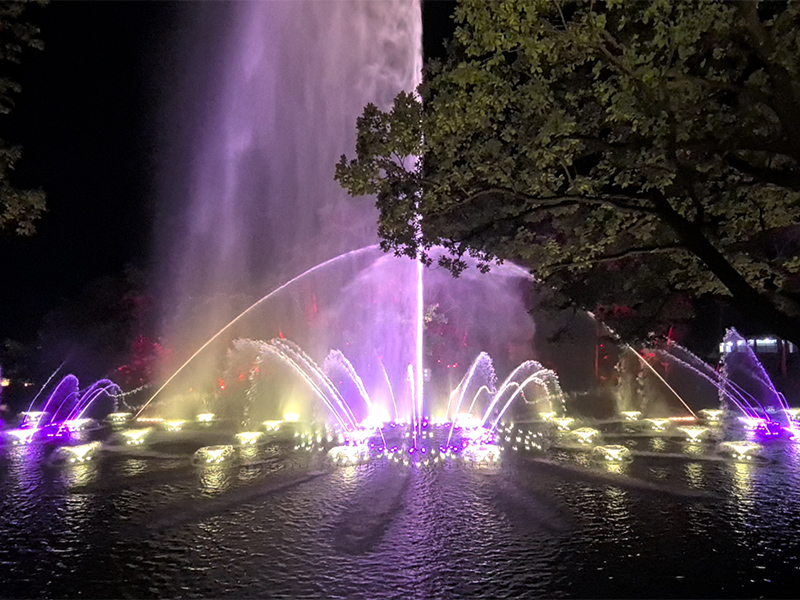
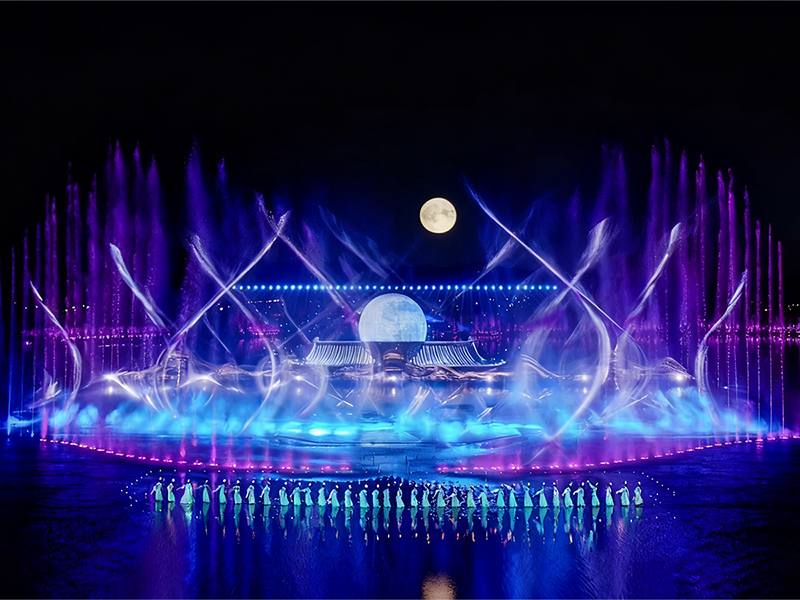
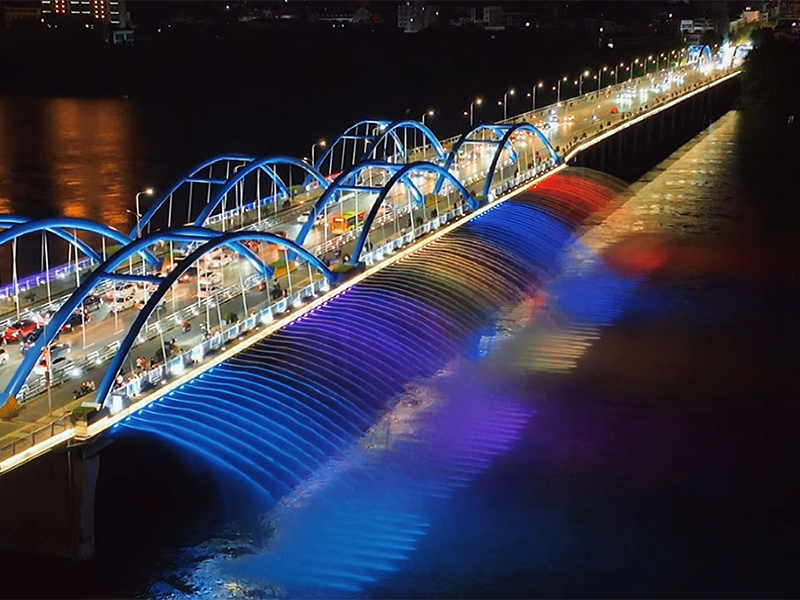
Morocco has emerged as one of North Africa's most dynamic markets for architectural water features and ground fountain installations. With its rich cultural heritage, growing tourism sector, and ambitious urban development projects, the Kingdom presents exceptional opportunities for fountain suppliers and waterscape companies. The Moroccan fountain industry is experiencing unprecedented growth, driven by government initiatives like Vision 2030 and substantial investments in hospitality, real estate, and public infrastructure.
The Moroccan ground fountain sector has evolved significantly over the past decade. Major cities including Casablanca, Rabat, Marrakech, Tangier, and Agadir are witnessing a construction boom that prioritizes aesthetic water features as central design elements. The commercial real estate sector, particularly luxury hotels, shopping malls, and mixed-use developments, accounts for approximately 60% of fountain installations in Morocco.
Industrial applications have also expanded, with water treatment facilities, manufacturing complexes, and logistics parks incorporating decorative fountains to enhance their corporate image and create welcoming environments for international partners. The Moroccan government's emphasis on sustainable development has led to increased demand for water-efficient fountain systems that incorporate recirculation technology and smart controls.
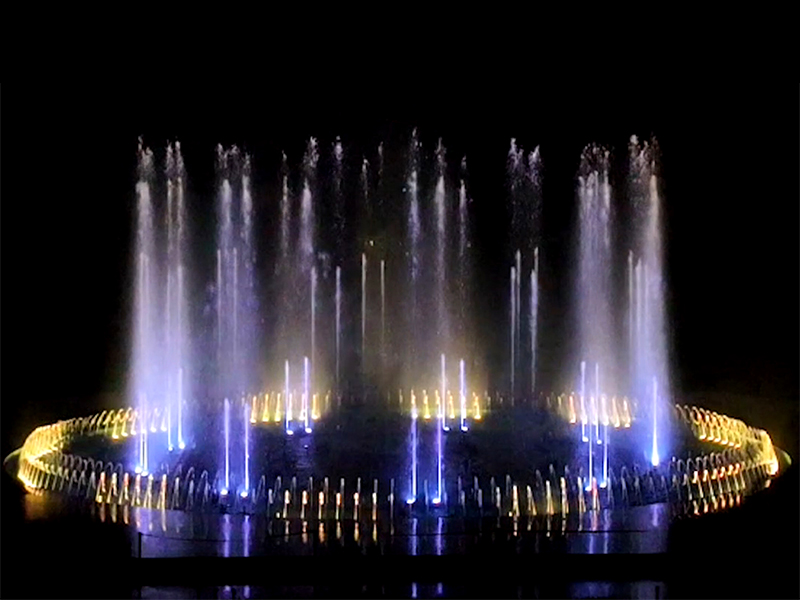
1. Smart Fountain Technology Integration: Moroccan developers increasingly demand fountain systems with IoT connectivity, allowing remote monitoring and control via mobile applications. This trend aligns with Morocco's broader smart city initiatives, particularly in new developments like Mohammed VI Tangier Tech City. Advanced control systems enable precise water choreography synchronized with music and lighting, creating immersive entertainment experiences.
2. Sustainability and Water Conservation: Given Morocco's water scarcity challenges, fountain suppliers must prioritize water-efficient designs. Closed-loop recirculation systems, rainwater harvesting integration, and evaporation reduction technologies are becoming standard requirements. Projects that demonstrate environmental responsibility gain preferential treatment in government tenders and receive positive media coverage.
3. Cultural Integration and Moroccan Aesthetic: Successful fountain installations in Morocco blend contemporary technology with traditional Islamic and Moroccan design elements. Geometric patterns inspired by zellige tilework, incorporation of traditional water channels (seguias), and references to historic fountains like those in Fes and Marrakech resonate strongly with local clients and communities.
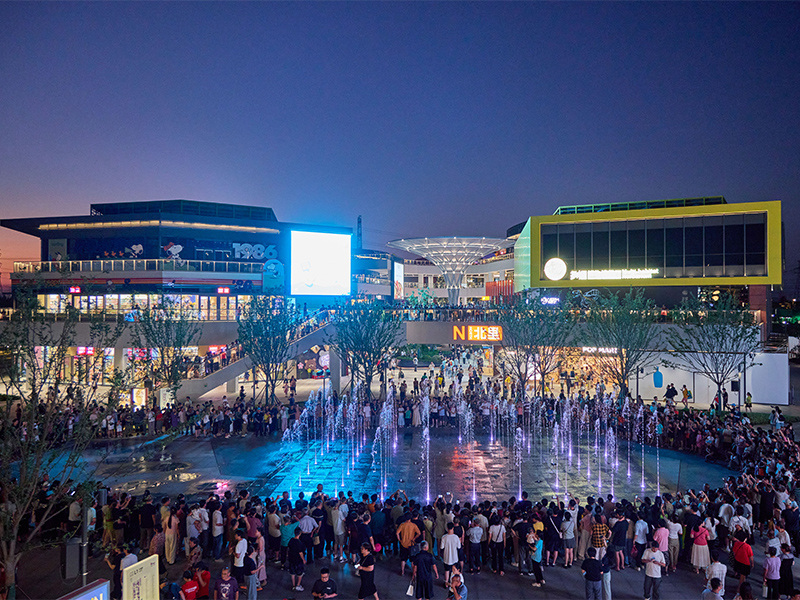
4. Interactive and Experiential Fountains: Dry-deck fountains that allow pedestrian interaction have become particularly popular in family-oriented developments and public spaces. These installations provide entertainment value while requiring no standing water bodies, addressing safety concerns and reducing maintenance requirements in Morocco's dusty environment.
Luxury Hospitality Sector: Morocco's luxury hotel market demands bespoke fountain solutions that reflect brand identity while complementing architectural design. Properties in Marrakech's Palmeraie district and Agadir's beachfront regularly feature elaborate entrance fountains, courtyard water features, and pool-integrated waterscapes. These installations must withstand Morocco's temperature variations and occasional sandstorms while maintaining pristine appearance.
Public Squares and Municipal Projects: Moroccan municipalities are investing in landmark fountain installations to revitalize city centers and create gathering spaces. Projects like the potential upgrade of Place Mohammed V in Casablanca or waterfront developments in Rabat require large-scale musical fountains with sophisticated programming capabilities. These installations serve ceremonial functions during national celebrations and religious holidays.
Shopping and Entertainment Complexes: Morocco's growing middle class supports expanding retail infrastructure. Modern shopping centers incorporate ground fountains as entertainment anchors, with programmed shows scheduled throughout the day. These installations must balance visual impact with operational efficiency, as electricity costs and water consumption directly affect profitability.
Corporate and Institutional Campuses: Universities, hospital complexes, and corporate headquarters in Morocco increasingly feature signature fountain installations. These projects emphasize institutional prestige while creating pleasant environments for students, patients, and employees. Maintenance simplicity and long-term reliability are critical considerations for these applications.
Residential Communities: High-end residential developments, particularly gated communities near major cities, incorporate ground fountains as amenity features. These installations enhance property values and create distinctive neighborhood identities. Homeowner associations prefer low-maintenance systems with predictable operating costs.
Water Quality Management: Morocco's water hardness varies significantly by region, affecting fountain equipment longevity. Successful suppliers provide comprehensive water treatment solutions including filtration, chemical dosing systems, and regular maintenance programs. Understanding local water chemistry is essential for equipment specification and warranty terms.
Climate Considerations: Morocco's diverse climate zones—from Mediterranean coastal areas to Saharan regions—require customized fountain designs. Equipment must tolerate high temperatures, UV exposure, and occasional dust storms. Stainless steel and high-grade composite materials perform better than standard options in Morocco's challenging environment.
Regulatory Compliance: Fountain installations in Morocco must comply with building codes, electrical safety standards, and water use regulations that vary by municipality. Experienced suppliers navigate these requirements efficiently, obtaining necessary permits and ensuring installations meet local authority expectations.
After-Sales Service: The Moroccan market highly values responsive after-sales support. Establishing local service partnerships or maintaining trained technicians in-country significantly enhances competitive positioning. Clients prioritize suppliers who can provide rapid response for maintenance issues and emergency repairs.
Market analysts project continued strong growth for Morocco's fountain and waterscape sector through 2030. Several mega-projects currently in planning or early construction phases will require substantial fountain installations. The expansion of Morocco's high-speed rail network is spurring development around new stations, many of which will feature landmark water features.
Morocco's successful hosting of international events, including FIFA World Cup matches in 2030, will accelerate infrastructure development and create opportunities for spectacular fountain installations in stadiums, fan zones, and hospitality areas. The Kingdom's positioning as a gateway between Europe and Africa makes it an ideal showcase for cutting-edge fountain technology.
Sustainability will remain paramount, with increasing emphasis on solar-powered fountain systems and integration with greywater recycling infrastructure. Suppliers who innovate in water conservation while delivering stunning visual experiences will capture premium market segments.
The cultural tourism sector presents particularly strong opportunities. Morocco's UNESCO World Heritage sites and historic medinas are exploring sensitive integration of contemporary water features that enhance visitor experiences without compromising architectural integrity. This niche requires suppliers with both technical expertise and cultural sensitivity.
Successfully executing fountain projects in Morocco requires more than quality equipment—it demands comprehensive understanding of local market dynamics, cultural preferences, regulatory environments, and operational challenges. Established fountain suppliers with international experience and regional presence offer distinct advantages:
They provide turnkey solutions from initial concept design through installation, commissioning, and ongoing maintenance. Their experience with similar climates and water conditions enables accurate equipment specification and realistic performance expectations. They maintain relationships with local contractors, suppliers, and regulatory authorities that streamline project execution.
Most importantly, experienced suppliers understand that fountain installations in Morocco represent long-term investments in property value, brand image, and community identity. They prioritize reliability, durability, and maintainability alongside aesthetic impact, ensuring clients achieve desired returns on investment.
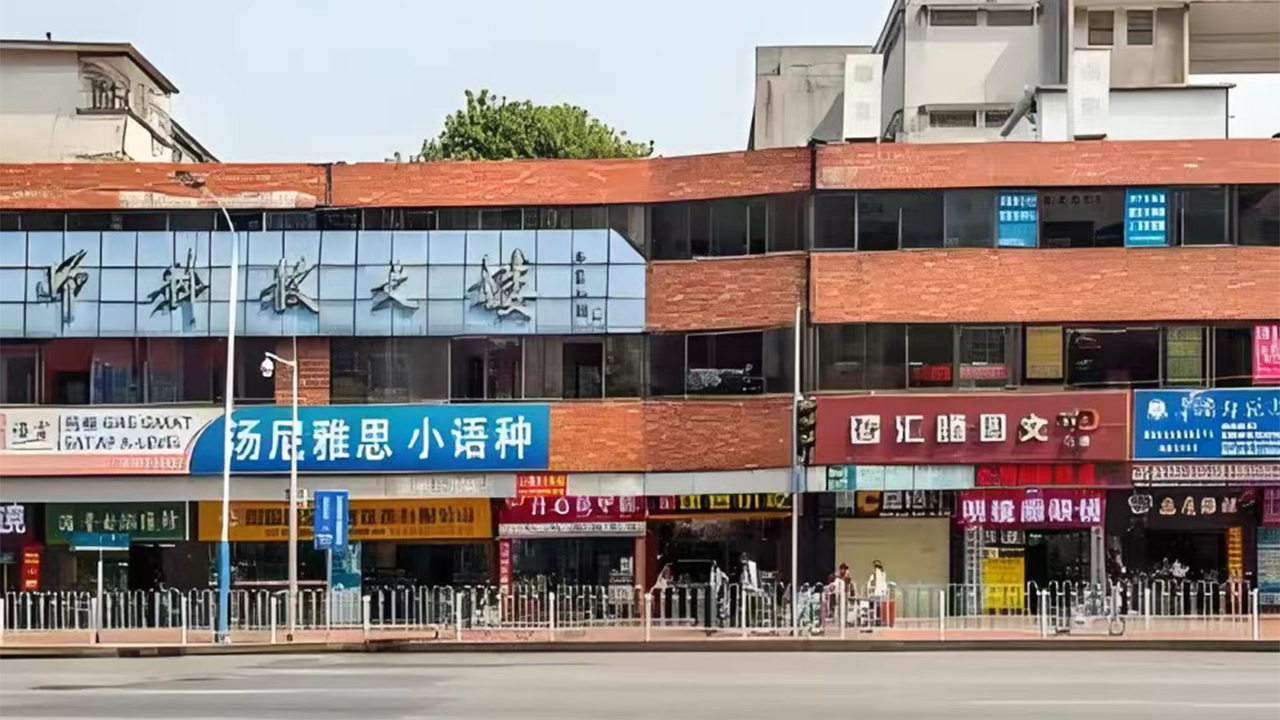
Parent Company Establishment
The first large municipal project-China Guangzhou Railway Station
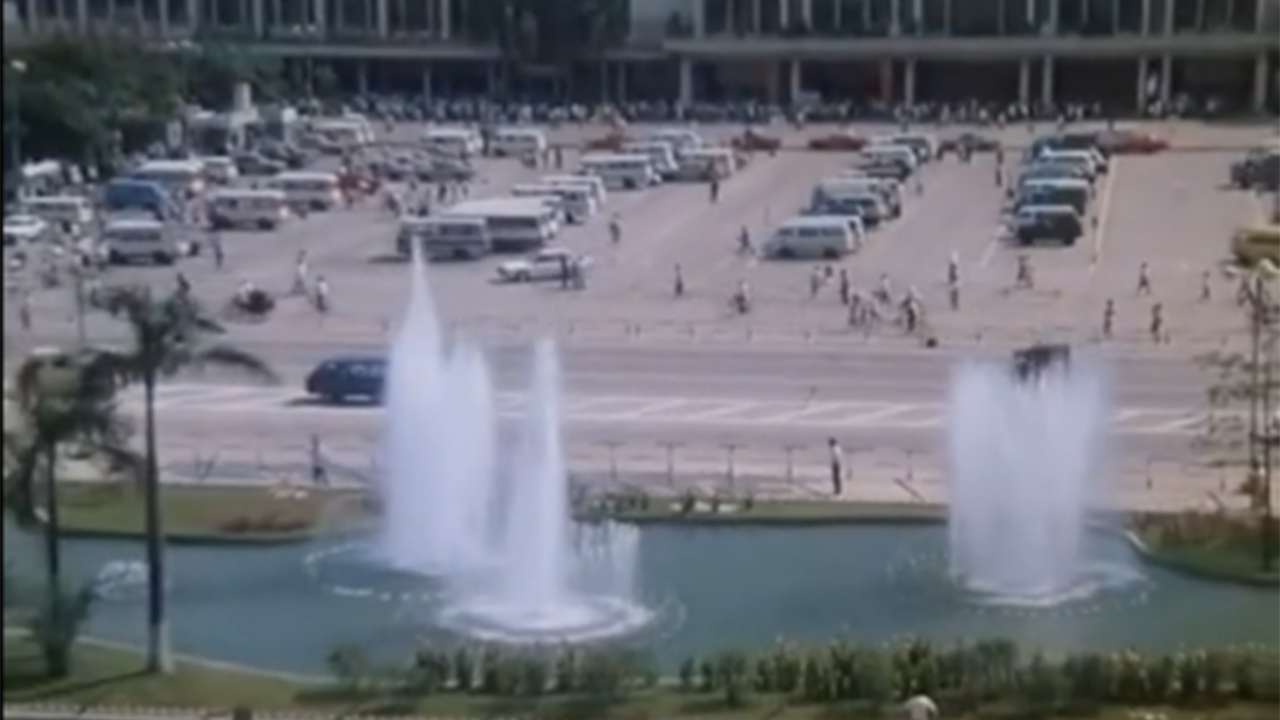
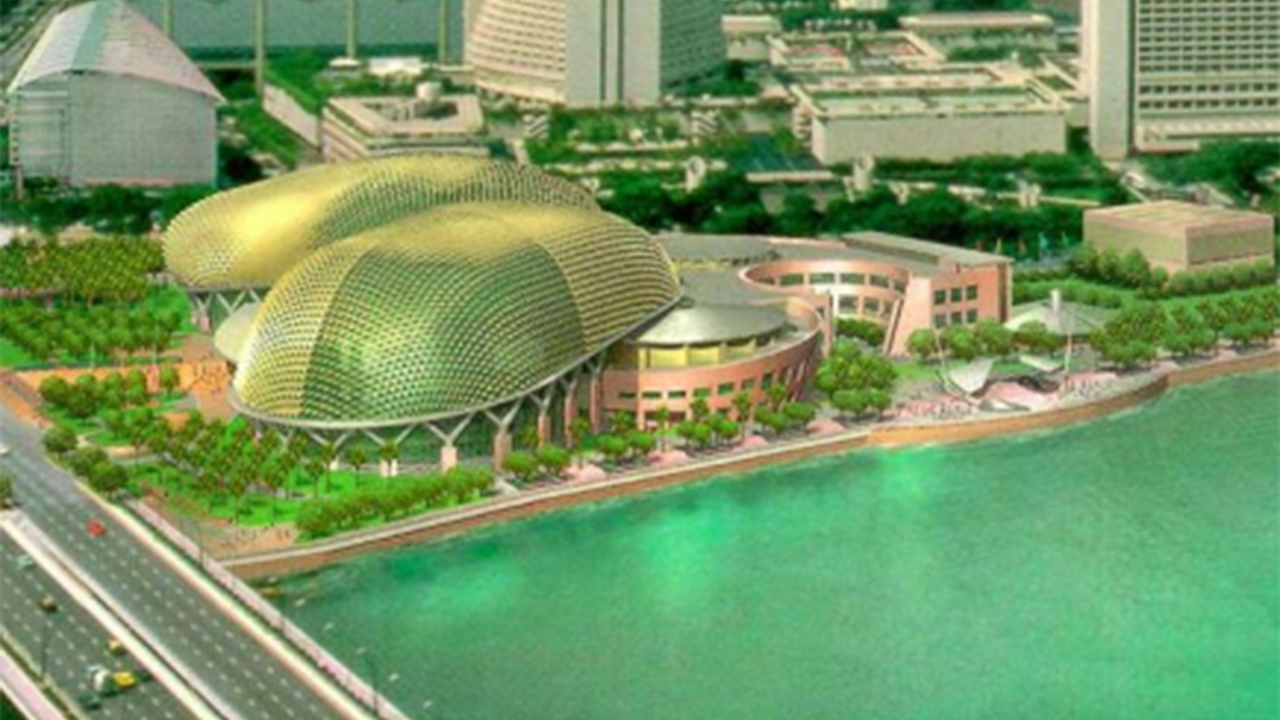
Embarking on an overseas journey - Exhibiting at the 100th Canton Fair
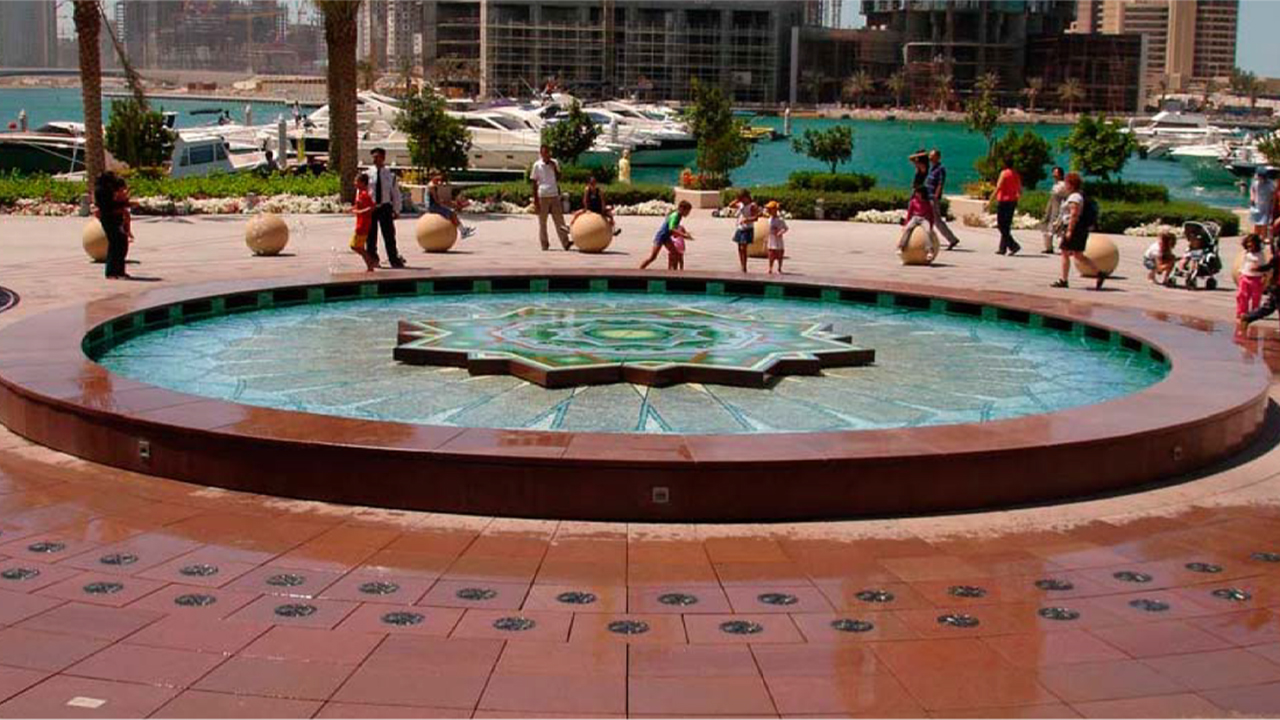
Dubai Marina Fountain -UAE
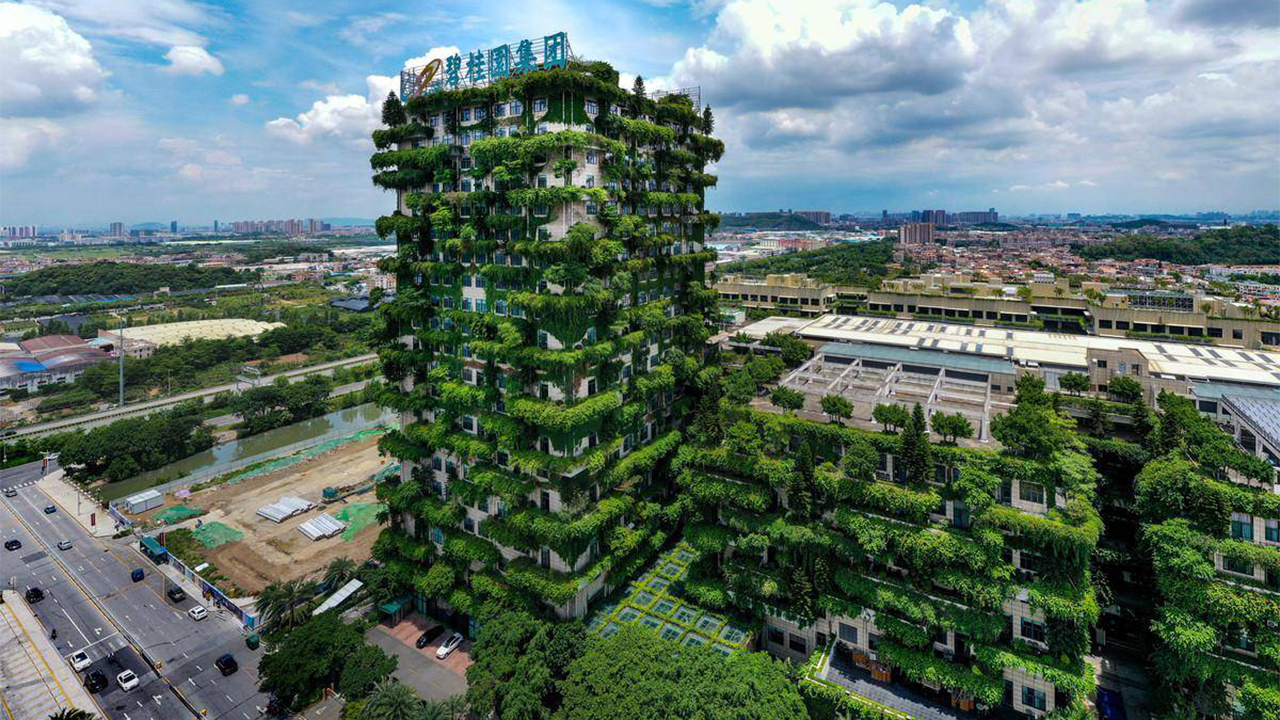
Established a strategic partnership with Country Garden, resulting in collaboration on over 2000 projects
Dreams of Jinyang multimedia water show
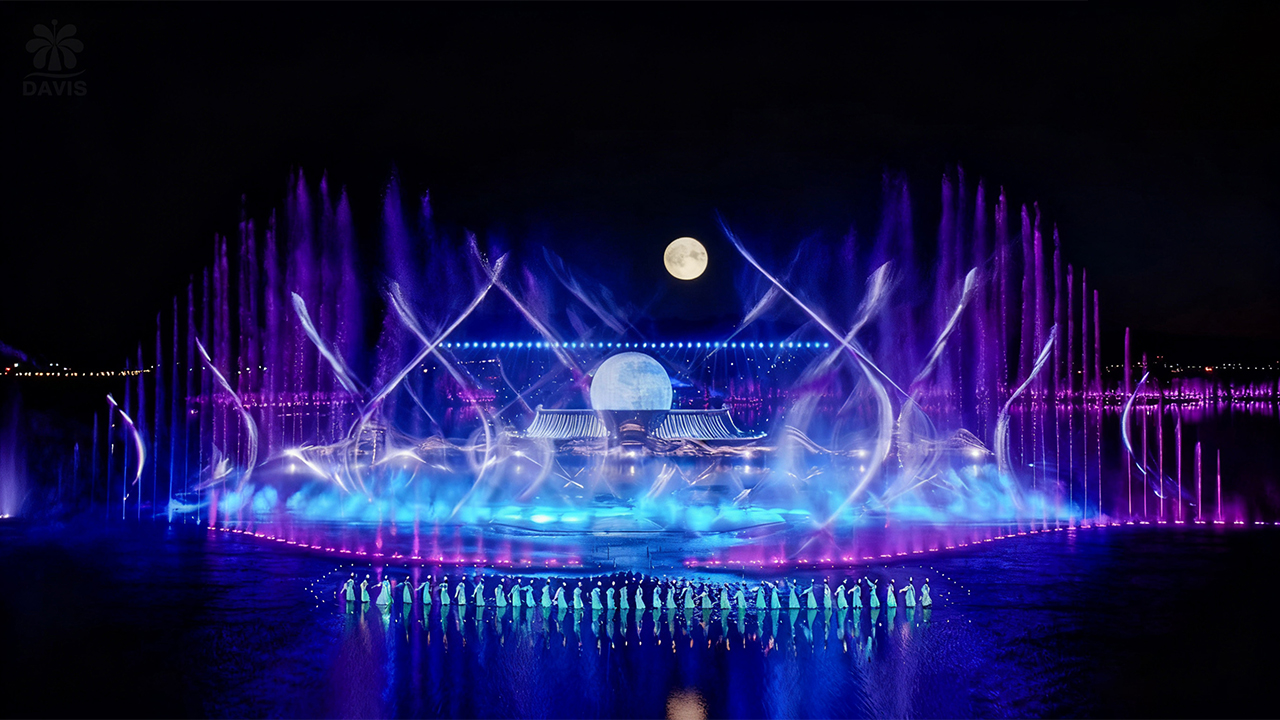
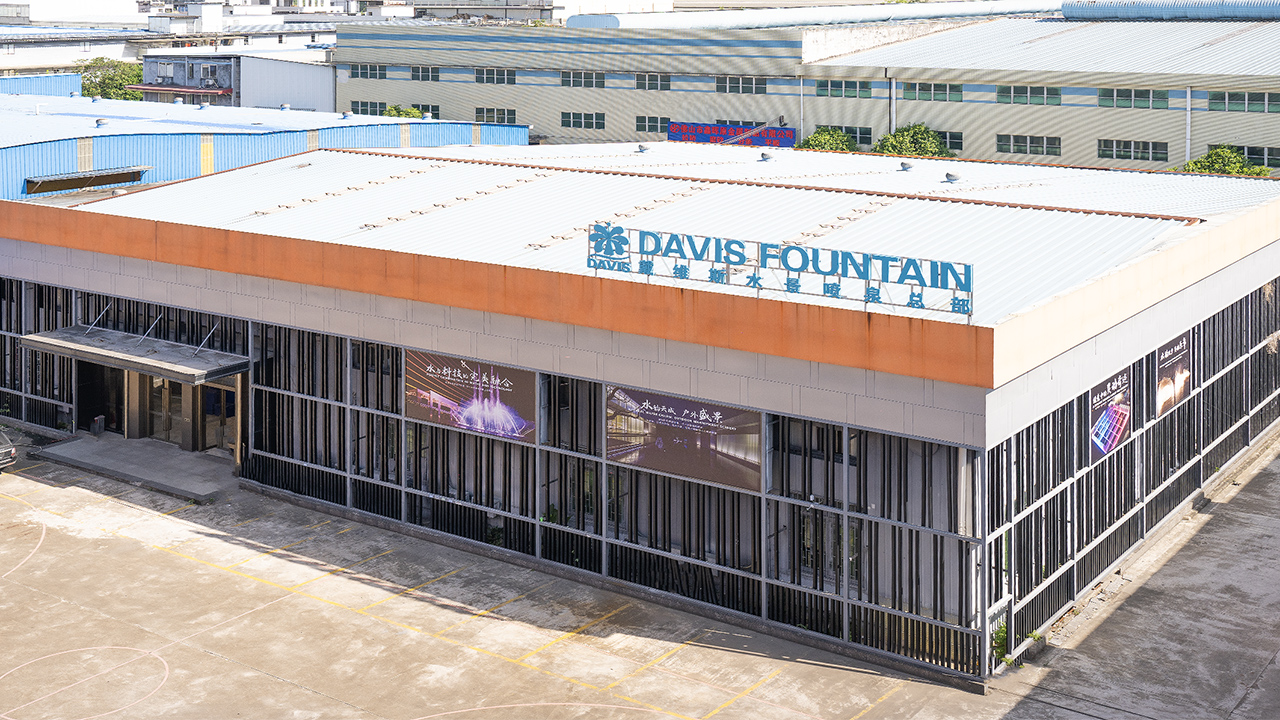
DAVIS towards a market-oriented approach, entering into the innovated fountain set market
Shanghai LEGOLAND Theme Park Dry Pool Musical Fountain
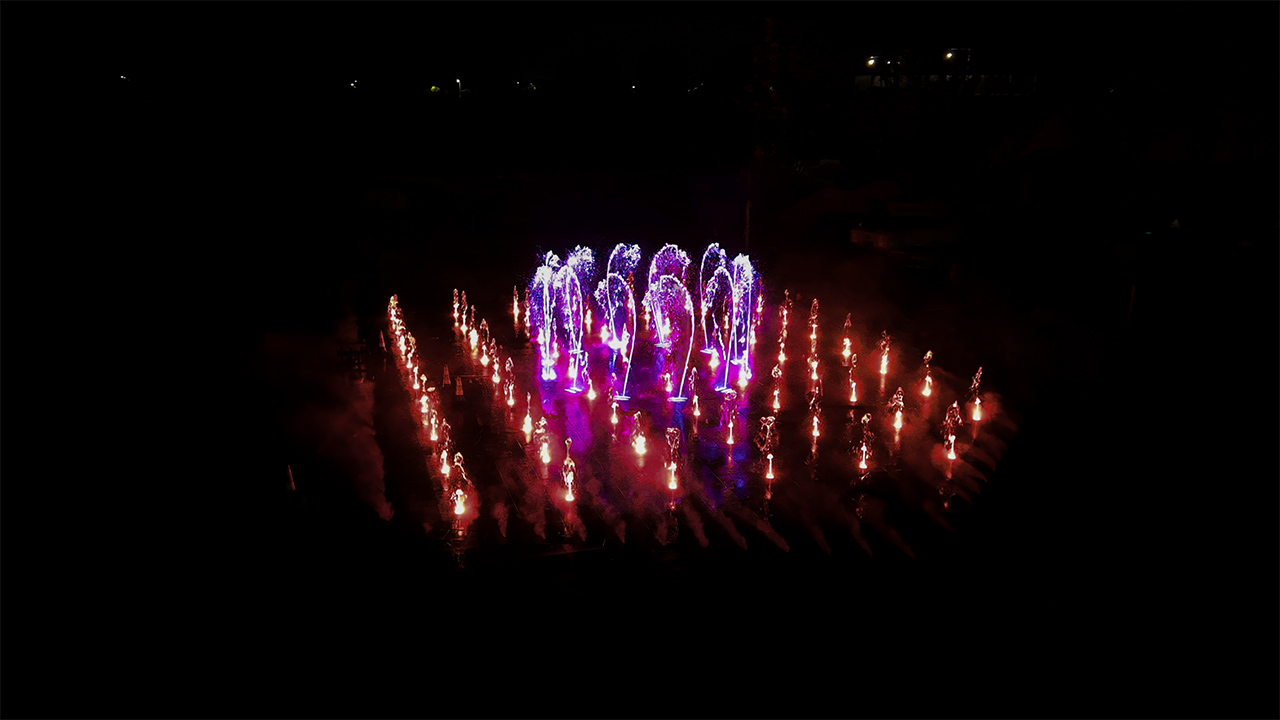
We are a team of 50+ professionals covering the full project chain:
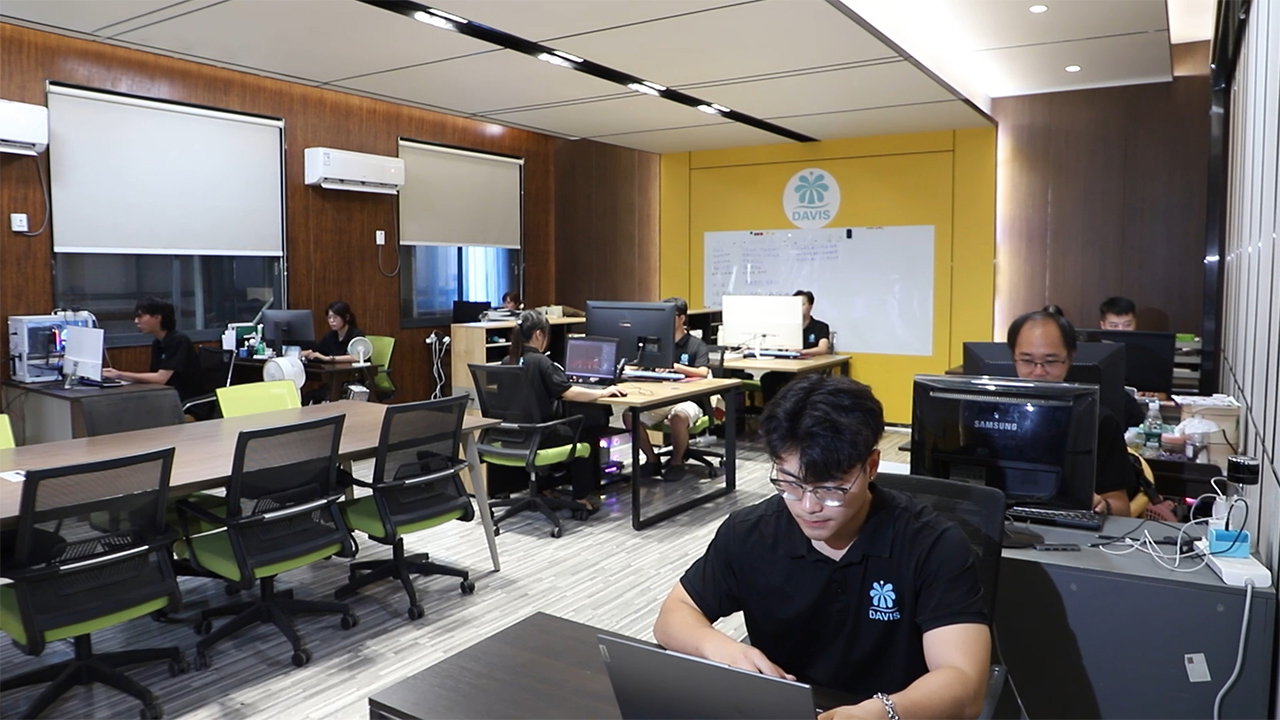
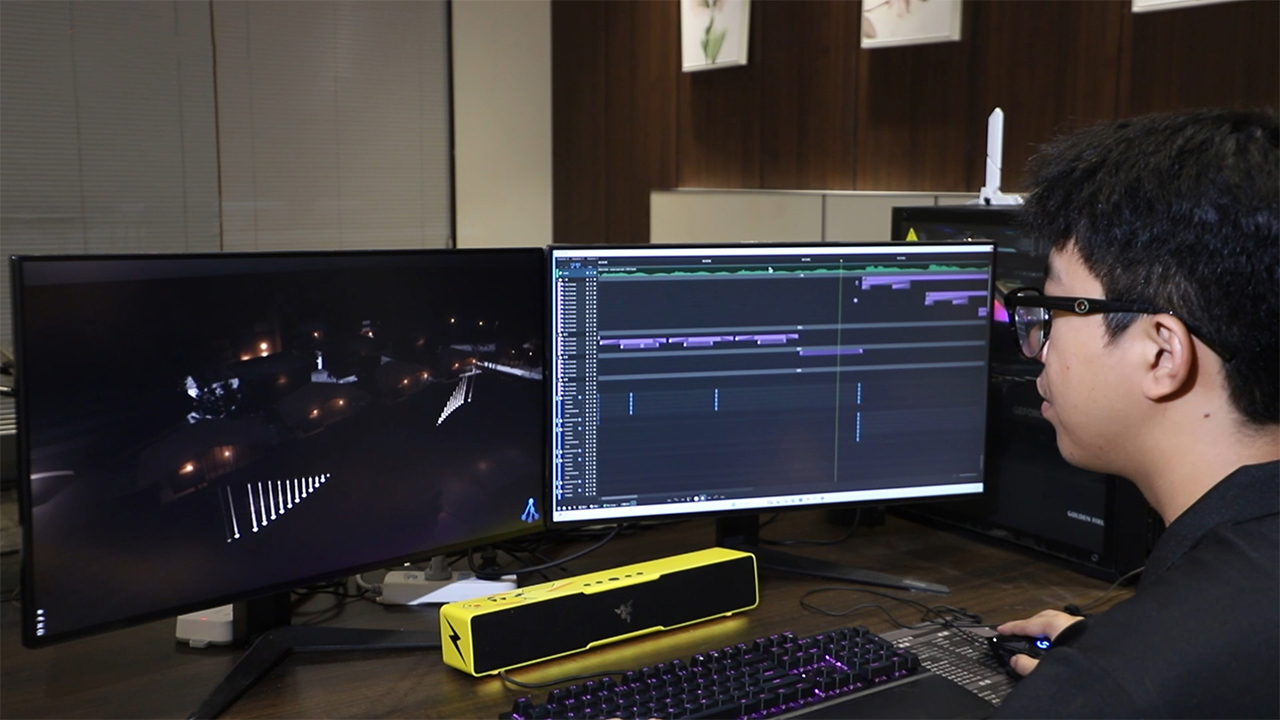
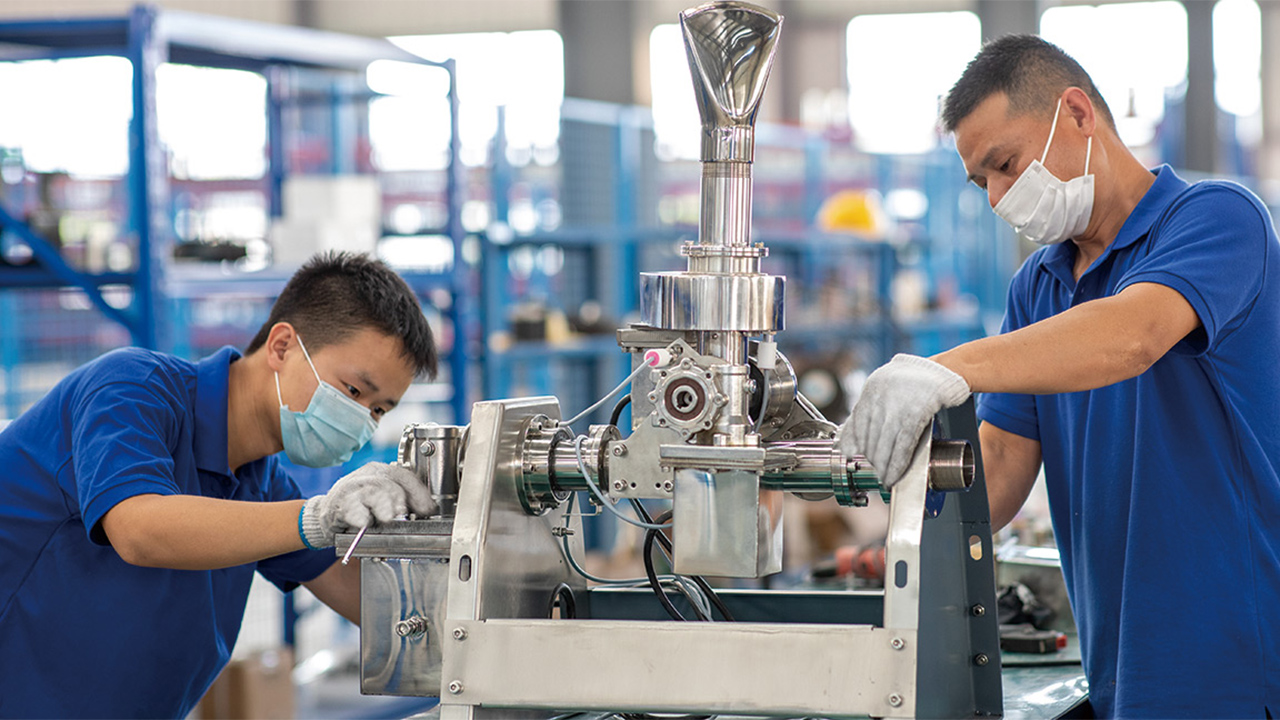
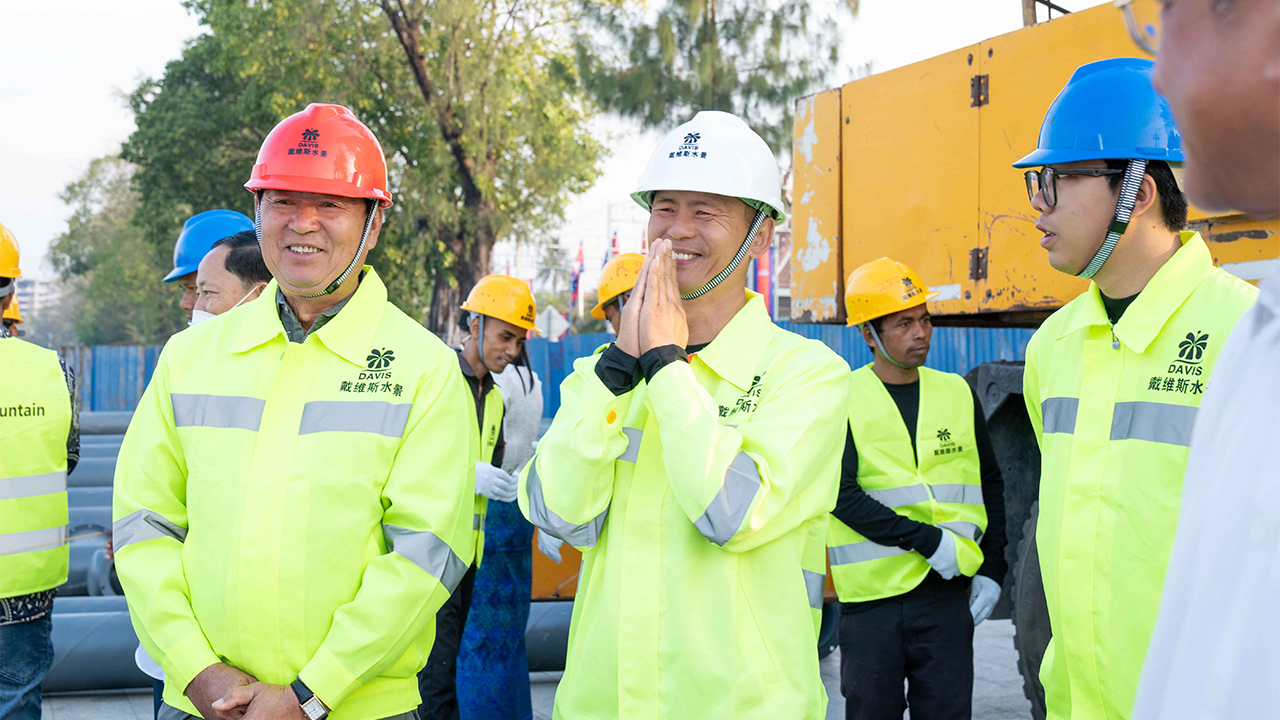
This structure allows us to provide a true one-stop service—from concept to handover—while maintaining engineering discipline and delivery quality.
By fostering long-term, win‑winning cooperation, we strengthen our competitive edge and achieve sustainable development in a dynamic global marketplace.